Discovering the wonders of Bangladesh
Syed Muhammed Showaib [Source : The financial express, January 10, 2026]
Vacationing is no longer a luxury enjoyed by a select few but an increasingly routine part of contemporary life. That tourism has expanded so rapidly, aided by rising incomes and widespread digital connectivity, indicates required means and mindset of a growing number of people for travel. This transformation becomes most visible during the peak tourist season from November to March when mild weather, school breaks and clustered public holidays align perfectly to create an optimal window for movement and leisure. During this period, popular destinations regularly record full hotel occupancy while in some regions demand becomes so intense that prospective visitors struggle to secure accommodation. More than a simple pursuit of pleasure, it is a sign of a burgeoning middle class with disposable income and their insatiable desire to explore and appreciate the rich history, diverse cultures and breathtaking landscapes that the country has to offer.
The enthusiasm driving domestic travel is now spilling over to visitors from abroad. In recent years, Bangladesh has attracted a growing number of foreign social media creators and influencers, many of whom command audiences ranging from thousands to millions. Their content offers first-hand impressions of hospitality, accommodation and the warmth of local communities---perspectives often absent from conventional narratives. Understandably, this exposure matters far beyond mere entertainment. It projects a more relatable and credible international image of Bangladesh and introduces the country to global audiences in ways conventional advertising campaigns have never achieved.
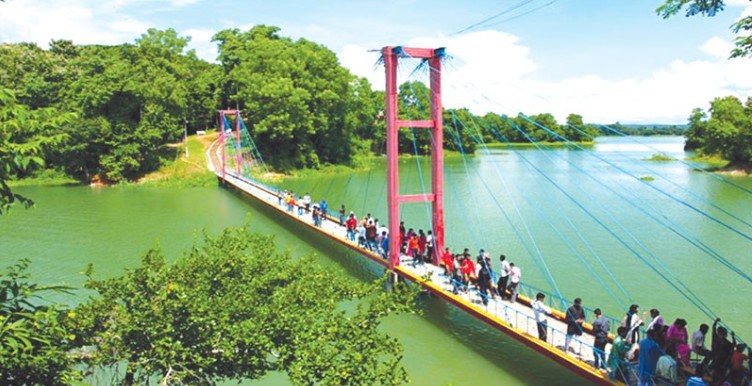
The attention that Bangladesh is beginning to attract is rooted in an exceptional natural and cultural diversity uncommon for a country of its size. Within a relatively small area, rivers, wetlands, hills, forests, tea gardens, beaches, islands and archaeological sites exist side by side. This makes it possible to experience a wide variety of sceneries and activities within short distances. With such diversity on offer, it is hardly an exaggeration to say that Bangladesh has everything a traveller could ask for with the exception of snowfall.
This richness has certainly not escaped the attention of Bangladeshis themselves. The enthusiasm across Bangladesh was impossible to miss during the New 7 Wonders of Nature poll held between 2007 and 2011 when Cox's Bazar and the Sundarbans emerged as formidable contenders. The Sundarbans remained a leading candidate until the final vote. Although neither ultimately made it into the top seven, their strong showing demonstrated both the deep national enthusiasm for these natural treasures and the significant interest they generated on the global stage.
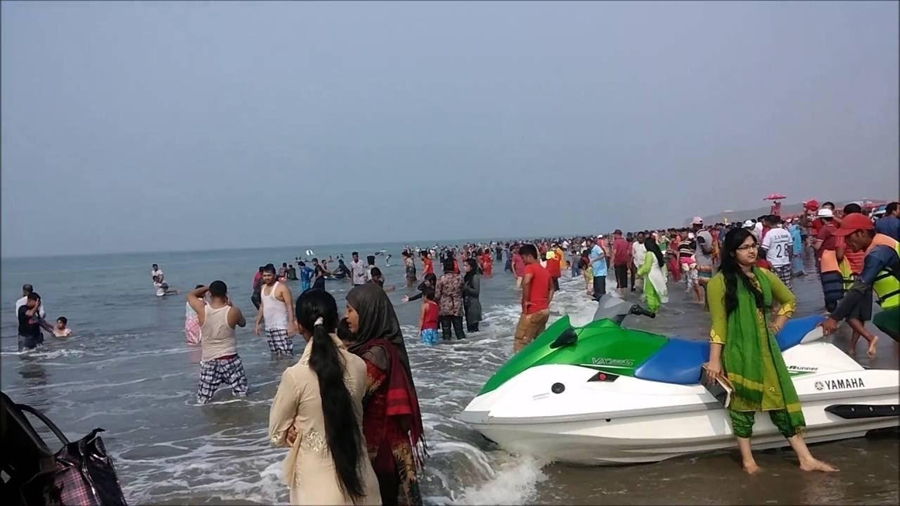
Further international validation comes from the Sundarbans' prestigious status as a UNESCO World Heritage Site, home to the planet's largest mangrove forest, a vital habitat for the iconic Royal Bengal Tiger and a remarkably complex ecosystem of diverse flora and fauna. Cox's Bazar, meanwhile, holds the distinction of possessing the world's longest uninterrupted natural sandy sea beach, while nearby Saint Martin's Island offers rare coral life and blue waters.
Interestingly, Bangladesh is not only endowed with scenic beauty but also rich in historical and archaeological heritage. Sites such as the Sixty Dome Mosque, Mahasthangarh, Sompur Mahavihara, the Natore Rajbari and Uttara Ganabhaban embody critical chapters of the nation's past, yet they attract relatively few visitors despite featuring prominently in educational curricula. A pronounced bias among younger travellers towards beach and hill destinations has left these sites outside the mainstream tourism circuit. Sadly, this underappreciation of heritage sites is taking its toll. Many historic structures have steadily deteriorated from years of inadequate maintenance and neglect while some others are close to irreversible damage.
A separate but equally pressing challenge stems from the dangers of unmanaged viral popularity. Destinations that suddenly go viral on social media often draw crowds far beyond the capacity of existing infrastructure, leading both to environmental strain and the overuse of facilities, as well as to inflated prices and a decline in visitor comfort. Sajek Valley and Tanguar Haor provide clear examples of how unchecked tourist surges can harm both the place and the experience. Managing tourist flows is therefore as critical as attracting visitors in the first place.
Another critical challenge for tourism is ensuring the safety of visitors, which remains fragile in some areas. Many routes just are not safe enough, especially for women travellers, and stories of harassment or lack of proper protection often stop people from even packing their bags. Even in the star attraction of the Sundarbans, the recent comeback of forest piracy has reignited serious safety concerns. Tourism simply cannot flourish when fear is stronger than the excitement of discovering something new. On top of that, not everyone in the tourism chain behaves the way visitors hope. While most people are hospitable and welcoming, a small segment of those involved in the industry take advantage with overcharging or outright scams. Complaints against transport operators and vendors become especially frequent during peak seasons when demand is sky-high. Those experiences stick and they really hurt trust. Foreign visitors, in particular, sometimes take one bad encounter and paint the whole country with the same brush.
Marketing is still a weak spot for the tourism sector as Bangladesh hasn't really put much effort into consistent international branding. The memorable Beautiful Bangladesh videos during the 2011 Cricket World Cup showed just how powerful quality promotion can be, yet nothing similar has appeared on an international scale since. Consequently, many of the country's unique spots and experiences stay off the radar for local and international travellers.
Tourism reveals how a country views its own identity and how confidently it chooses to share that identity globally. It falls upon the government and private sector to decide just how big they want to aim, and once that ambition is clear, the necessary policies and infrastructure start to fall into place. Clearly, Bangladesh has everything it takes to shine on the global tourism stage. The only question left is whether the country will step up and claim that spotlight.
showaib434@gmail.com