Climate Change and High Land-man Ratio
Dr Akhter Hussain [Source: Daily Sun, 09 Jan 2026]
Climate change is a stark reality now, especially for countries like Bangladesh. Many natural phenomena can cause changes to the climate. Scientists are of the opinion that rising levels of carbon dioxide and other heat-trapping gases in the atmosphere have warmed the earth and are causing a number of impacts like sea level rise, melting of snow and ice, extreme heat events, wildfires and droughts, frequent storms, excessive rainfall and devastating floods. These increases are posing risks to human health, forestry, agriculture, freshwater supplies, coastlines and other natural resources.
In this age of climate change, Bangladesh is one of the frontline states exposed to all kinds of negative impacts caused by climate change that are mentioned above. Almost 80 per cent of Bangladesh’s total area is prone to flooding and cyclones; storm surges are common in the south and southeastern parts of the country; almost the entire coastal belt along the Bay of Bengal is experiencing a salinity intrusion problem; and extreme temperatures and droughts are becoming common in the north and northwestern regions. The productive sectors, like agriculture and fisheries, have been hit hard. Here, it needs to be noted that the economy of Bangladesh is still heavily dependent on agriculture, and a large portion of the population is engaged (directly or indirectly) in agricultural activities. Hence, the overall impact of climate change on agricultural production in Bangladesh is becoming widespread and devastating. Salinity intrusion and riverbank erosion are leading to serious implications for the coastal lands.
Against the above backdrop, we may try to look at the implications of climate change in relation to the man-land ratio of the country. This means the extent to which the country will be able to withstand the negative impacts of climate change.
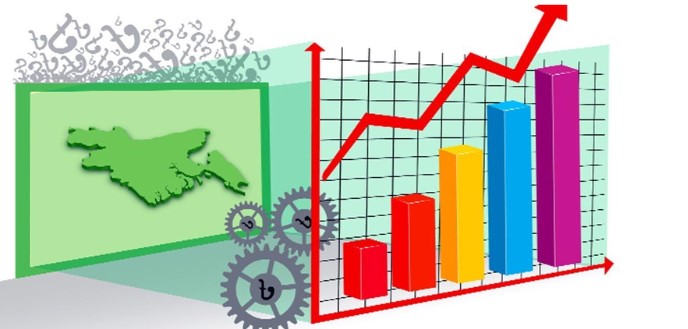
Bangladesh is a small country in terms of physical size with a very large population. The population density is one of the highest in the world. It is approximately 1,350 people per km. According to a source, the population of the country is estimated to be 175.7 million to 176.7 million, and the total area is approximately 147,570 km. The total land mass of the arable land per capita is extremely low, amounting to roughly 0.045 to 0.046 hectares per person.
Again, while over 60 per cent of Bangladesh's land is suitable for crops (the highest proportion globally), the per-person availability is reducing with time due to a number of reasons that include urbanisation and loss of land mass due to climate change. Currently, almost one-quarter of the total population live in the coastal areas of the country. Due to climate change, the majority of them are somehow affected by coastal floods, tidal surges, riverbank erosion, salinity, tropical cyclones, etc. With the rise of sea level up to one metre only, Banglad
According to some research findings, Bangladesh's high population density (high land-man ratio) will significantly worsen climate change impacts, creating challenges of an insurmountable scale like massive human displacement from places of living, food insecurity, and economic strain due to rising seas, cyclones, floods, and contaminated water. It is projected that there will be severe land loss of about 17 per cent of territory by 2050. The land loss will displace millions, and these people will seek refuge in already crowded cities. Moreover, the anticipated agricultural collapse will threaten the livelihoods of a major portion of the population.
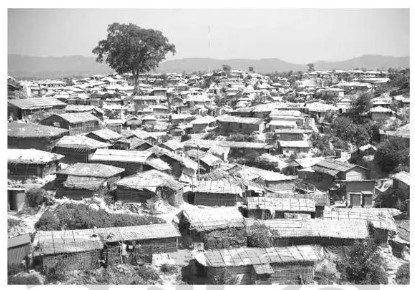
However, currently, there is the ongoing process of land loss and other negative impacts of climate change in the country. As a result, a great number of people are always being displaced from their natural habitats due to these negative impacts of climate change. Different sources indicate that a large proportion of the displaced people have already resettled in the capital city of Dhaka as well as in other major cities and towns of the country. Here, it may be mentioned that Dhaka city is now the second largest city in terms of population in the world, second only to Jakarta, Indonesia.
One estimate indicates that Dhaka city has already been sheltering more than ten million climate migrants, and it is also presumed that many more will join the growing population of the towns and cities of Bangladesh in the coming years. This process of resettlement is going to put increasing pressure on the country’s economy and job market, which is not expanding to accommodate already existing job seekers. Such a situatio
The writer is a former Professor, Department of Public Administration, University of Dhaka.